
Kitchen and utility room jobs
Planned kitchen and utility room plumbing: appliance waste and water connections, valves, sink traps, disposal units and dryer drains, with checks first.
Jobs
Jobs in this room
11 of 11 jobs
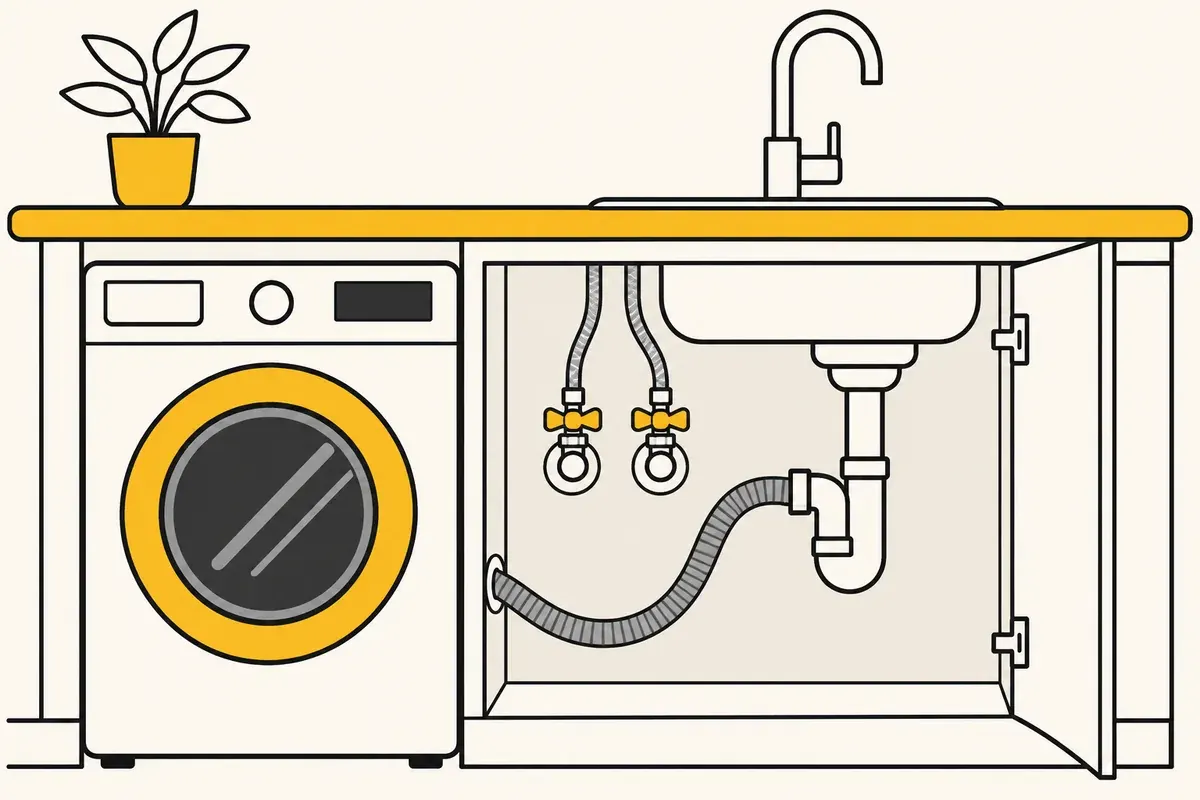
- Washing machine waste
Send us The space under the sink or behind the machine, and the end of the drain hose.
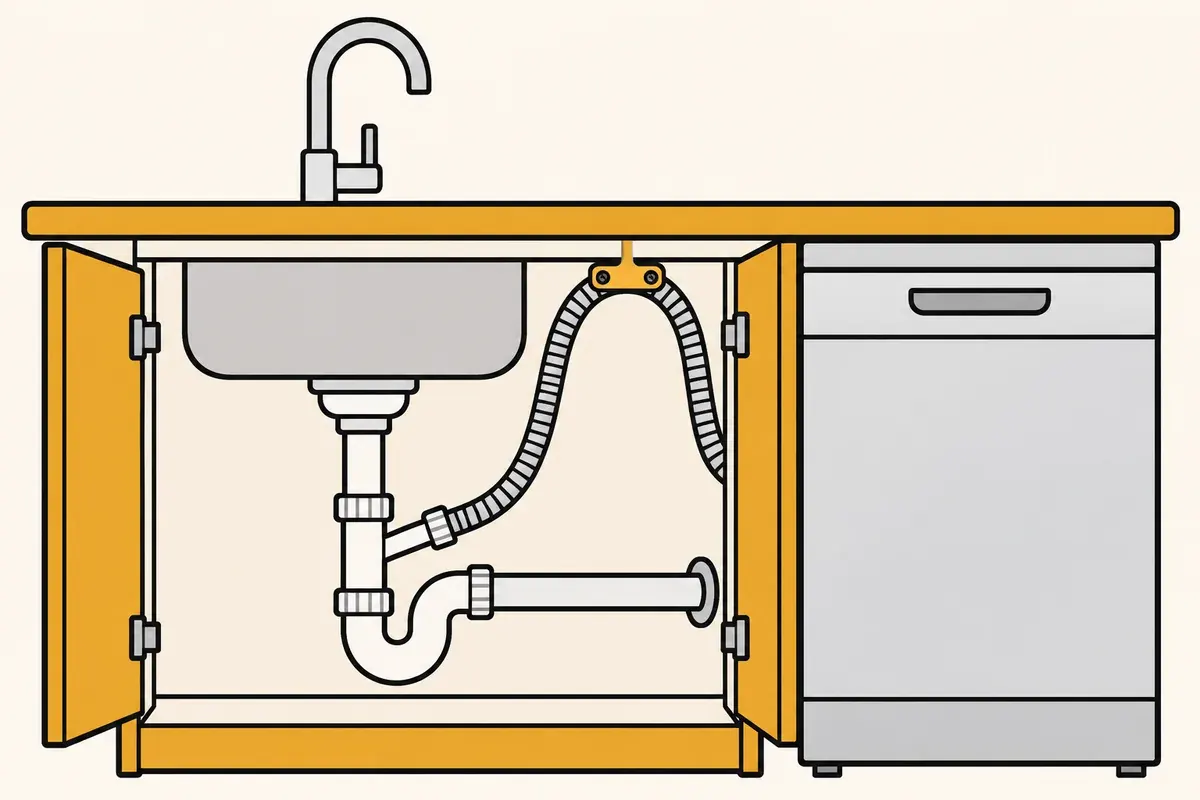
- Dishwasher waste
Send us The pipework under the sink and the dishwasher drain hose.
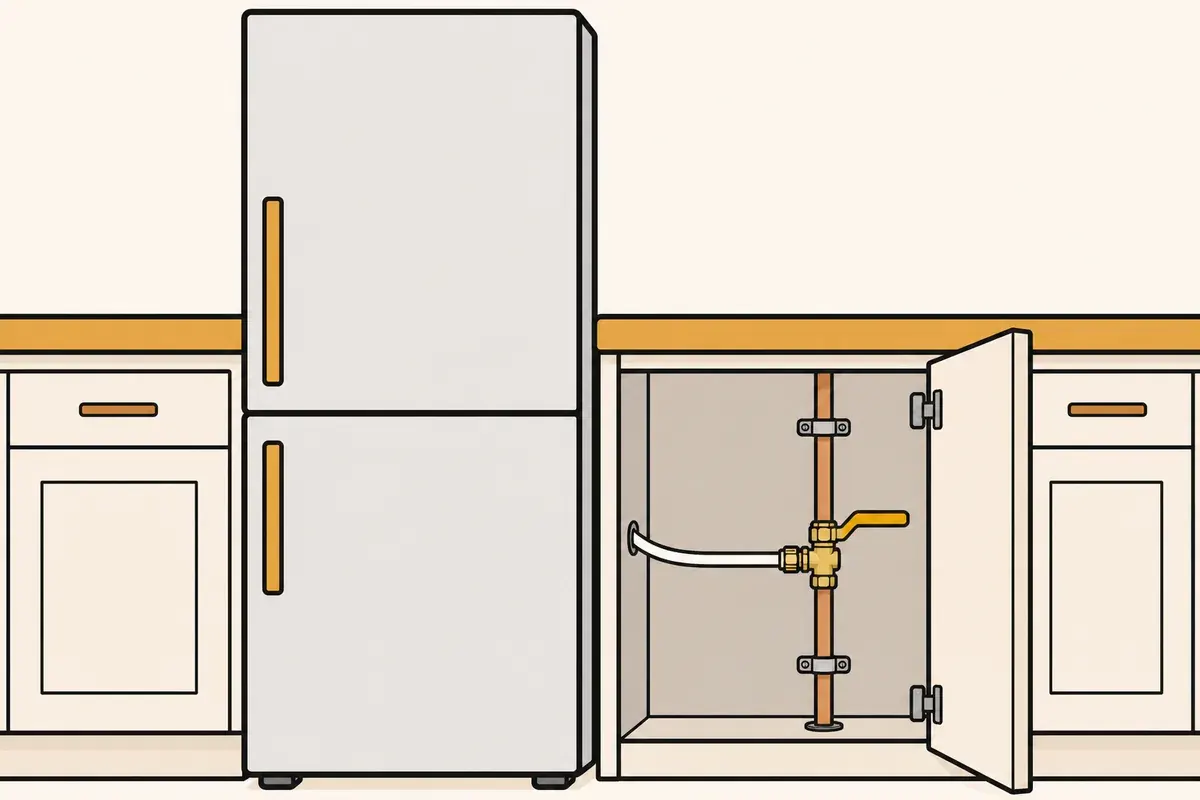
- Fridge freezer water line
Send us The back of the appliance space, the nearest cold pipe and the model label.
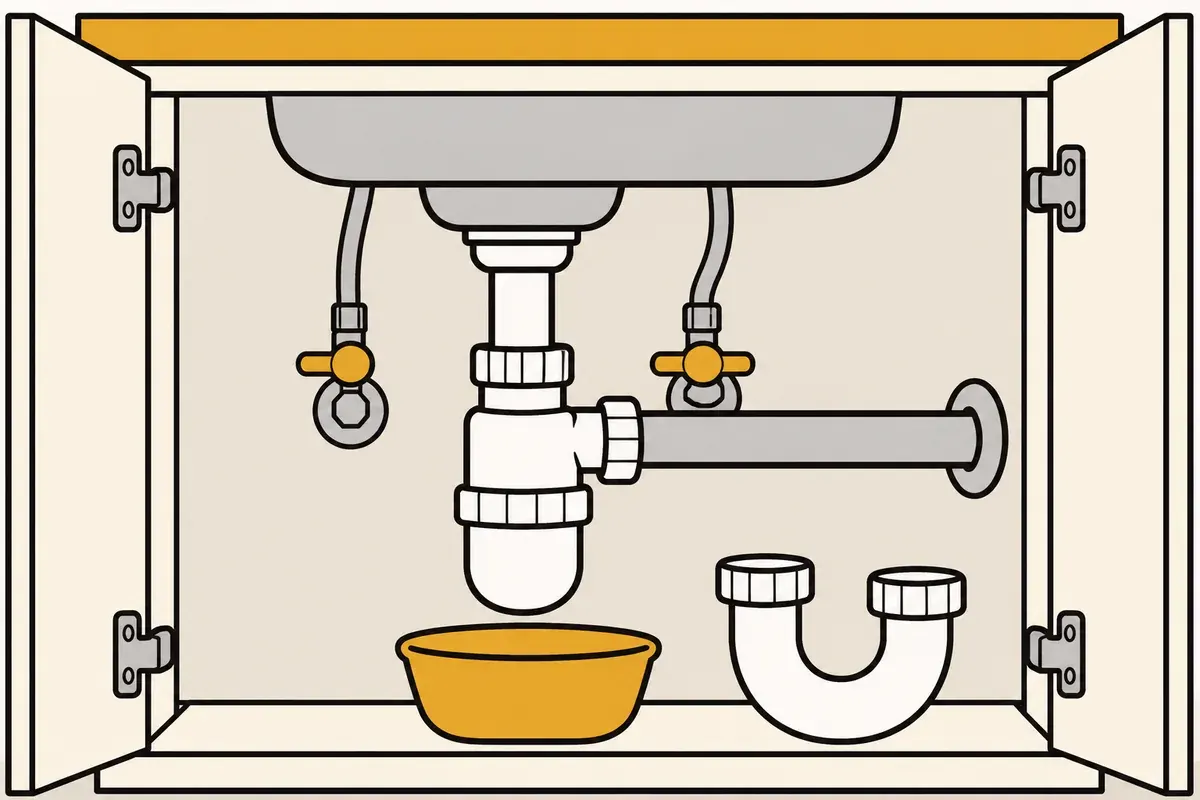
- Sink trap replacement
Send us The whole trap and every pipe or hose joined to it.
- Washing machine valve
Send us The valve, the pipe feeding it and the space around the handle.
- Waste disposal unit
Send us Under the sink, including the waste outlet and the nearest socket.
- Tumble dryer drain
Send us Where the dryer will stand, the nearest waste pipe and the model label.
- Plumbing in a coffee machine at home or in a small cafe
Send us A photo of the fitting, a wider photo of the space and what you want changed.
- Plumbing a sink into a kitchen island
Send us A photo of the fitting, a wider photo of the space and what you want changed.
- Moving a washing machine: new water feed and waste route
Send us A photo of the fitting, a wider photo of the space and what you want changed.
- Plumbing before and after a worktop swap
Send us A photo of the fitting, a wider photo of the space and what you want changed.
Reading
More in this section
- Waste kits for one and a half and double bowl sinks
- Changing a filter on a filtered or multi-function tap
- Fitting a Belfast sink: unit, weight and tap position
- Belfast sink wastes: overflow, thickness and plug types
- Boiling water tap: cupboard, power and ventilation checks
- Capping washing machine feeds and waste after removing the appliance
- Dishwasher sizes and the cabinet space needed
- What to tell your fitter before kitchen first fix
- Tap tail sizes: M8, M10 and M12 explained
- How to disconnect a dishwasher
- Fitting a kitchen sink waste and strainer
- How to fit an integrated dishwasher
- How to fit an integrated washing machine
- Measuring tap holes and base size before buying
- How to remove a kitchen sink
- How to remove a kitchen tap
- Connecting an under-counter ice maker
- Fitting an inset sink into a worktop
- Sink overflow kits: what fits which bowl
- Heights for kitchen waste and water stub-outs
- How kitchen sink plumbing fits together
- Kitchen sink waste hole sizes
- Tightening a kitchen tap that spins on the sink
- Will this tap work on a gravity-fed system
- Fitting a monobloc kitchen tap
- Pull-out spray taps: weights, hoses and cupboard clearance
- Sink trap types and which saves space
- Slimline and tabletop dishwashers: connection options
- Replacing separate hot and cold taps with a mixer
- Wall-mounted kitchen taps: what has to be done first
- Running a washing machine and dishwasher into one waste
- Putting a washing machine in a bathroom: water and electrical rules
- Plumbing a washing machine in a garage or outbuilding
- Washing machine fill hoses, threads and longer replacements
- Measuring the gap for a washing machine including hoses
- Washing machine upstairs: floor, waste and noise checks
- Waste disposal units: sink hole, motor and drain suitability
Most jobs here come down to two connections: clean water in and used water out. Identify which one your job needs, then open its page.
Getting water out
- Washing machine waste connection: standpipe or sink trap spigot.
- Dishwasher waste connection: spigot, hose route and clamp.
- Sink trap replacement: a new trap, including layouts for two bowls or appliance hoses.
- Tumble dryer drain plumbing: taking condensate to a waste so there is no tank to empty.
- Waste disposal unit installation: mounting the unit and connecting its outlet.
Getting water in
- Washing machine valve replacement: the small tap that feeds the inlet hose.
- Fridge freezer water connection: a cold feed for a dispenser or ice maker.
Two rules that shape these jobs
Water fittings rules in England and Wales require adequate protection against backflow from appliances, and an adequate number of servicing valves. Used water from sinks and appliances belongs in the foul system: Thames Water explains that appliances plumbed into a surface water drain can pollute rivers and streams.
Gas, electrics and appliance faults
Gas cookers and hobs have their own connection service, carried out only by Gas Safe registered engineers. Sockets and new circuits are electrical work. Faults inside an appliance go to the manufacturer or an appliance repairer.
Keep reading
Related
- Washing machine wasteHow to connect a washing machine waste pipe to a sink spigot or standpipe, with trap sizes, hose heights, anti-siphon points and leak checks.
- Dishwasher wasteDishwasher waste connection explained: choosing the sink spigot, clearing the blanking plug, routing the hose high, and what to check on the first cycle.
- Small plumbing jobsNeed a plumber for small jobs? List the valves, wastes, traps and fittings you want done, add photos, and see what counts as small and what does not.
One list, however many jobs
Add what needs fitting or replacing, tell us the postcode, then email photos.