Washrooms, staff kitchens, drainage and water points in business premises: scoping the work, access and site rules to share and how it is handed over.
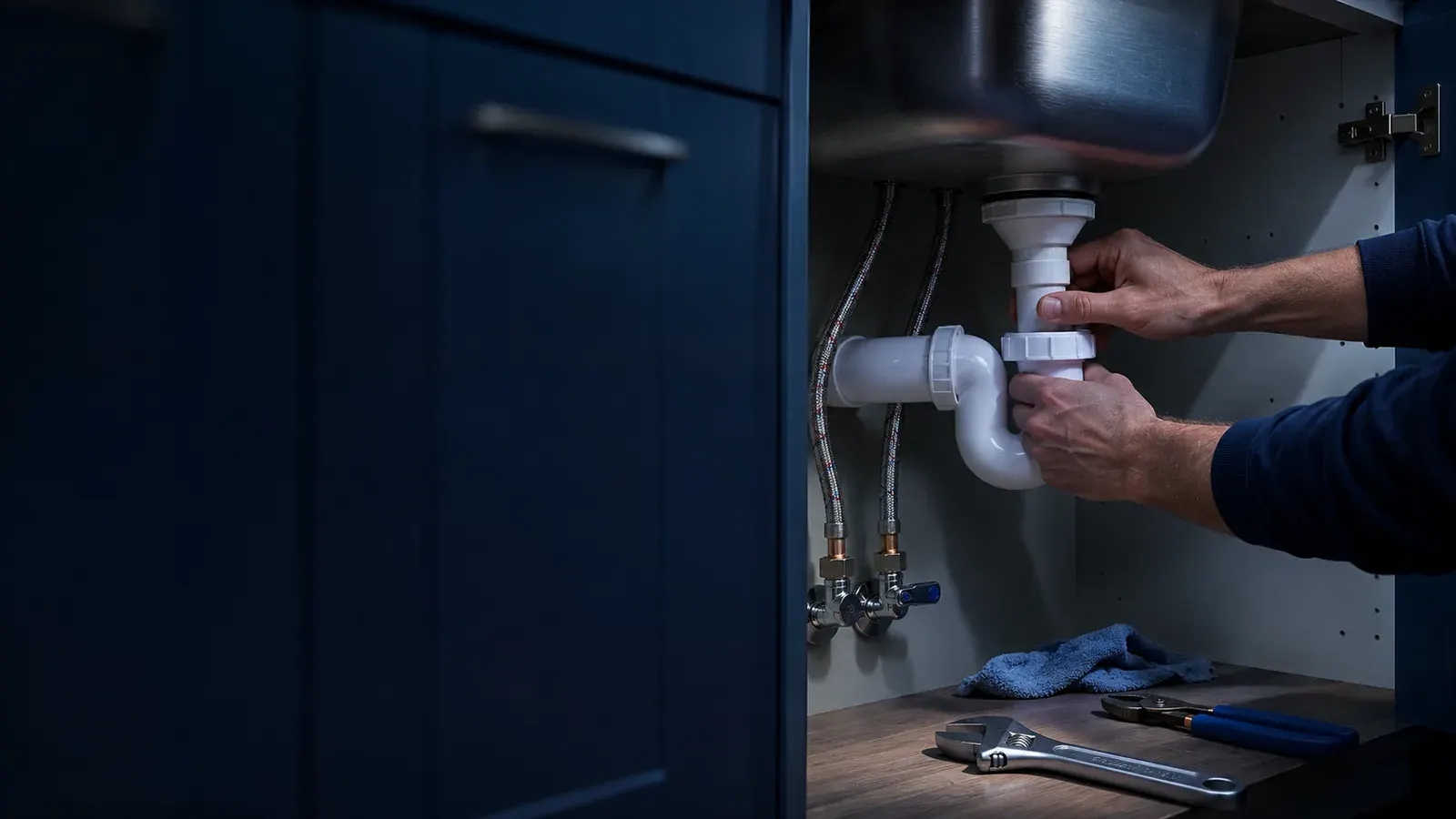
Plumbing in business premises covers washrooms, staff kitchens, sinks, water feeds to equipment and the wastes that serve them. The pipes may look familiar, but trading hours, staff, customers and landlord conditions shape how a job can be carried out.
What the job involves
Typical requests include repairing or replacing taps and toilets, connecting an espresso machine or other equipment, fixing leaks, clearing wastes and altering pipework during a fit-out. Gas work in business premises needs a Gas Safe registered engineer whose ID card covers that type of appliance, and electrical connections need an electrician. Specialist systems such as fire sprinklers are outside this scope.
What we need from you
- Business type and which areas are affected.
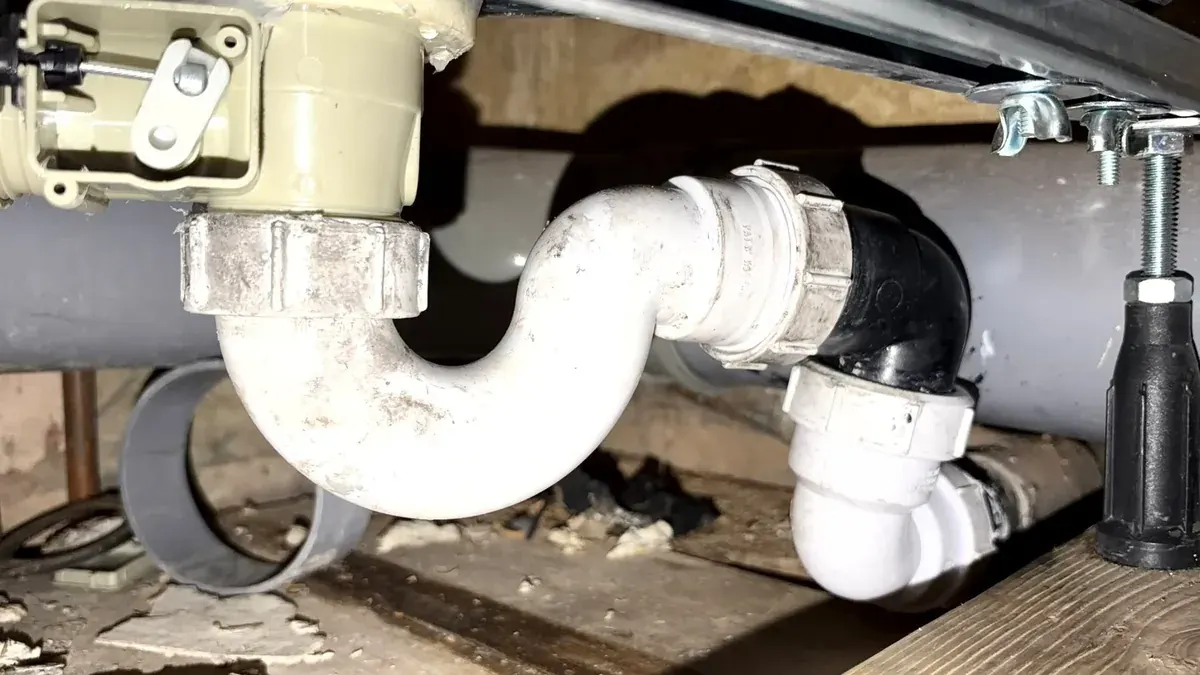
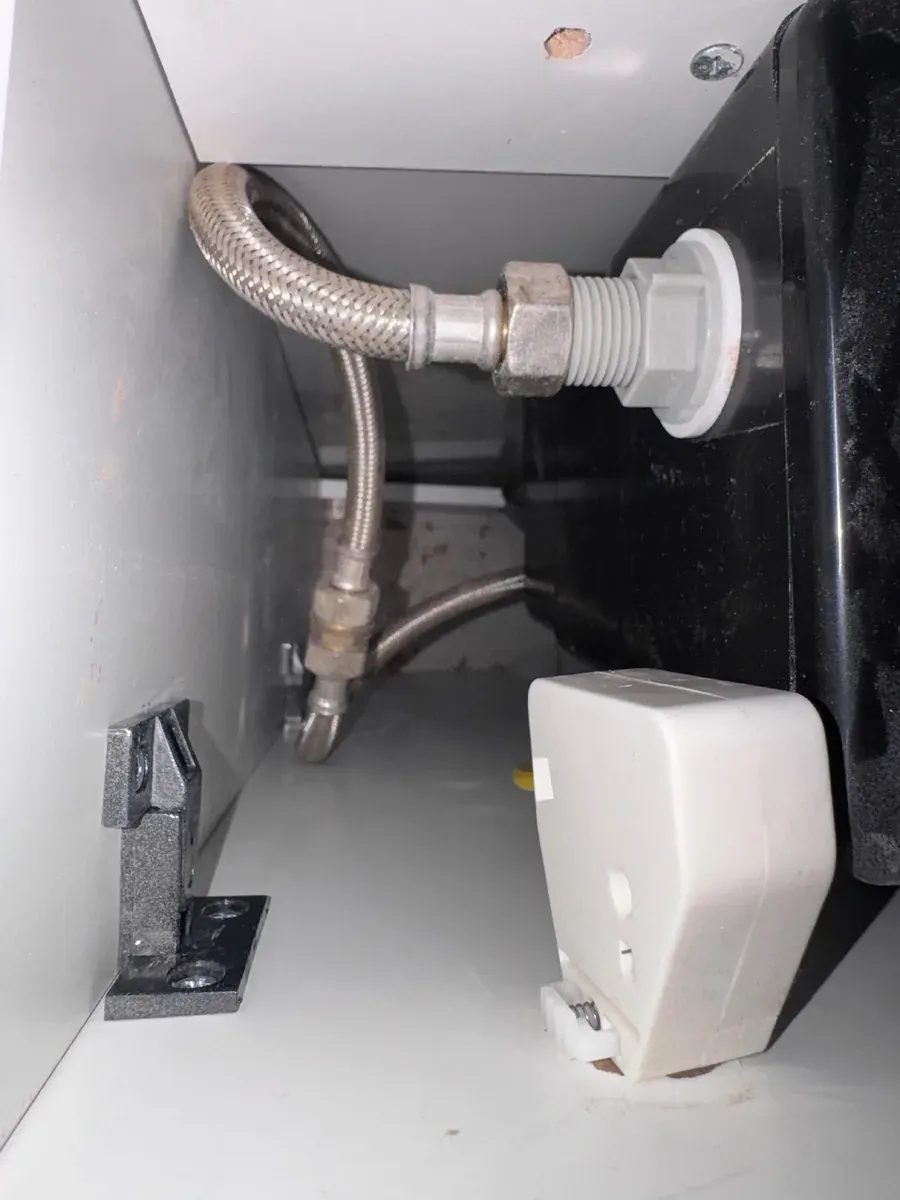
- Photos of fittings, pipe runs, valves and equipment data plates.
- When the area can be taken out of use.
- Induction, permit, sign-in or method statement requirements.
- Landlord or facilities contact, and approval limits.
- Where water can be isolated and who else shares that supply.
State any documents you require from whoever does the work, and ask for them before agreeing. Do not assume they come as standard.
Safe first steps
Close the relevant valve, put up a barrier or sign and keep staff and customers off wet floors. Isolate electrical equipment near water only through its proper isolator and only when dry. Take a leaking or blocked washroom out of use. Food areas contaminated by waste water should not be used until cleaned in line with your hygiene procedures.
Rules to raise early
The water fittings requirements apply to business premises on the public supply, with backflow protection matched to the risk, which can be higher around catering, medical or chemical equipment. Advance notice to the water supplier is required for certain work, including a material change of use. Trade effluent and grease management can involve the sewerage company. Employers and those in control of premises also have duties to assess Legionella risk.
How it is checked
Fittings are run under working conditions, equipment feeds are flushed and inspected and wastes are tested with the volume they will carry. Floors and cupboards below are checked. At handover, ask for a note of isolated and restored supplies, parts installed, anything still defective and any follow-up the site must arrange.
Sending the enquiry
Give one site contact who can answer questions, and list each location separately in the contact form. For rented premises, confirm first whether the repair falls to you or to the owner under your lease.
Planning around opening hours
Say which tasks would close a washroom or stop the water to the whole unit. Preparing parts, confirming access to the valve and warning neighbouring occupiers beforehand can keep disruption to the area concerned. Whether a particular time can be offered has to be agreed individually.