Showers
Find the right shower guide: tray sizes, taking out a bedded tray, changing a shower head or arm, and identifying or replacing valve cartridges.
Jobs
Jobs in this room
- Moving a shower: pipe and waste constraints
Send us A photo of the fitting, a wider photo of the space and what you want changed.
Reading
More in this section
- Ceiling rain heads: pipework aboveCeiling mounted shower head installation: pipe route above the room, rigid support, flow and pressure limits, insulation, access and electrical zone checks.
- Concealed shower valves: depth and accessConcealed shower valve installation: cavity depth, pipe preparation, isolation valves, rear access, flushing, pressure testing and checks before tiling over.
- How to remove a shower trayHow to remove a shower tray: plan around tiles and screen, disconnect the waste, free a bedded or glued tray, lift it safely and check the floor.
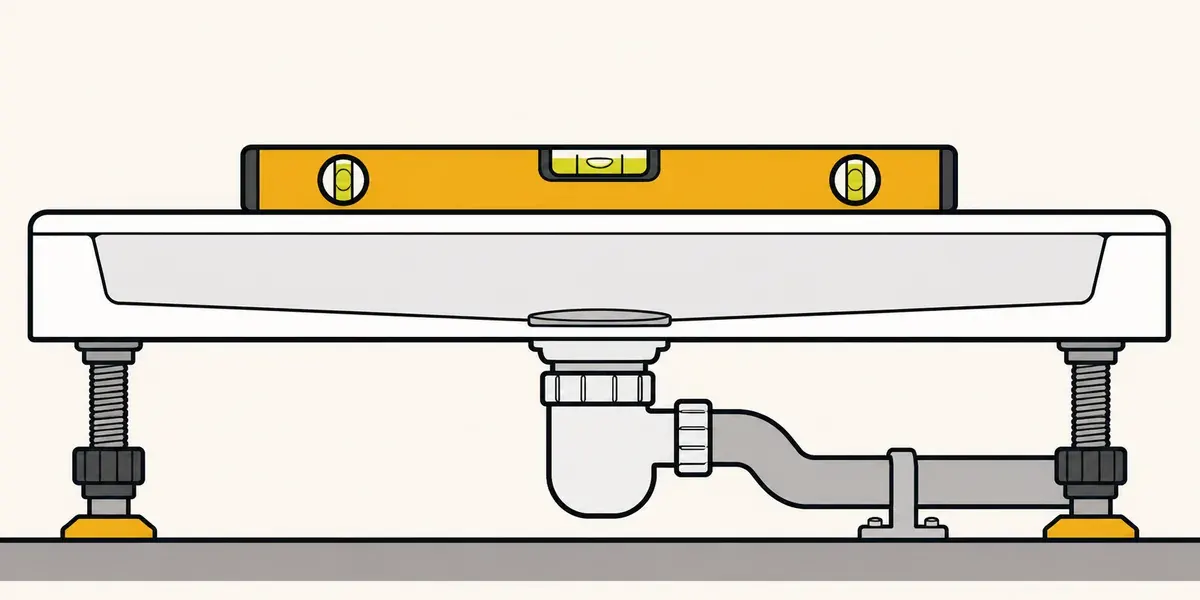
- Low-profile trays: waste depth under the floorLow profile shower tray installation: find room for the trap under the floor, support the tray fully, keep access to the waste, test the flow and then seal.
- Raised trays, risers and access panelsRaised shower tray with legs: use the maker kit, set a continuous waste fall, level and support every leg, keep access to the trap, then seal and test.
- Bar mixer pipe centres and bracketsShower bar valve centres: most bar mixers use 150 mm spacing with 15 mm inlets. Set level pipes, correct projection, solid brackets, flush and then test.
- Shower in a bedroom: waste, extraction and electricsPlanning a shower cubicle in a bedroom: finding a waste route, extract ventilation, electrical zones, floor load, splash protection and permissions to check.
- Replacing a shower diverterShower diverter replacement: identify the diverter type, isolate water, remove the cartridge or valve, match the exact spare, check seals and test every outlet.
- Replacing a shower head and armShower head replacement for handsets, fixed heads and wall arms: checking the thread, sealing it correctly, avoiding wall damage and testing for leaks.
- Shower valve, head and drain positionsShower niche and valve height planning: set controls, head, riser, waste and recess around the users, tile joints, pipe runs, waterproofing and access.
- Single, twin, positive and negative head pumpsShower pump types explained: single and twin impellers, positive and negative head, supply requirements, notification rules and what to check before choosing.
- Fitting a riser rail without cracking tilesShower riser rail installation: choose height, check for hidden pipes, drill tiles gently, fix to each wall type, seal the holes and keep the hose safe.
- Fitting a bath screenFit a shower screen over a bath: check the bath and wall, find hidden pipes, set the wall channel plumb, drill tiles, hang the glass and seal the right side.
- Fitting a tray on a solid floorFitting a shower tray on a concrete floor: decide where the waste pipe runs, choose legs or a solid bed, prepare and level the slab, then test before tiling.
- Shower tray sizes and how to measure the spaceCommon UK shower tray sizes in square, rectangle and quadrant shapes, plus how to measure walls, waste position, depth and screen space before ordering.
- Shower tray types comparedCompare shower tray types by material and height: acrylic, acrylic capped stone resin, low profile, raised and level, and what each needs under the floor.
- Fitting a shower waste and trapShower tray waste fitting: choose a trap for the depth you have, place the seals correctly, connect a falling pipe, keep access and flood test before sealing.
- How to identify a replacement shower cartridgeIdentify the correct shower valve replacement cartridge using the brand, model, dimensions and spline, and tell flow, diverter and thermostat parts apart.
- Shower wall panels around pipeworkShower wall panel installation: prepare a sound wall, cut holes for pipes and valves, leave expansion gaps, use matching sealant and keep services accessible.
- Changing a thermostatic shower cartridgeThermostatic shower cartridge replacement: isolate both supplies, remove the old unit, clean filters, fit in the right orientation and reset the temperature.
- Wet room formers, tanking and drain fallsWet room drainage requirements: choose drain and flow capacity, build falls with a former, tank floor and walls, check the structure and connect the waste.
- Plumber or electrician for an electric showerWho can fit an electric shower? The wiring needs a competent electrician and often notification; the water connection is plumbing. How to split the job safely.
Shower work splits into three areas: the base you stand on, the outlet the water comes from, and the valve that mixes it. Pick the one that matches your problem.
| You want to | Read |
|---|---|
| Work out which tray fits | Shower tray sizes |
| Take an old tray out | How to remove a shower tray |
| Have a new tray installed | Shower tray fitting |
| Change a head or fixed arm | Shower head replacement |
| Find which cartridge you need | Shower valve cartridges |
| Swap a temperature cartridge | Thermostatic cartridge replacement |
Before touching a shower
Check whether it is a mixer valve fed by hot and cold pipes or an electric unit with its own cable. The cartridge guides here deal with mixer valves. Electrical faults and new circuits in a bathroom belong with a competent electrician.
Replacing a bath with a shower is a larger job that changes the waste, the walls and sometimes the water supply. It has its own conversion guide.
Photograph the valve front, any model label and the tray waste access before you ask anyone to quote.
Keep reading
Related
- Shower tray fittingFit a shower tray with the right base and waste: what to measure, how bedding, trap access and sealing work, and when a replacement becomes a bigger job.
- Replacing a bath with a showerBath to shower conversion planning: tray size, waste fall, water supply, walls and sealing, electrical limits and the order the trades should work in.
- Measure before you buyA fit-check sheet for appliances, trays, toilets, basins, taps, wastes and radiators: dimensions to record before buying and checks against product drawings.
One list, however many jobs
Add what needs fitting or replacing, tell us the postcode, then email photos.