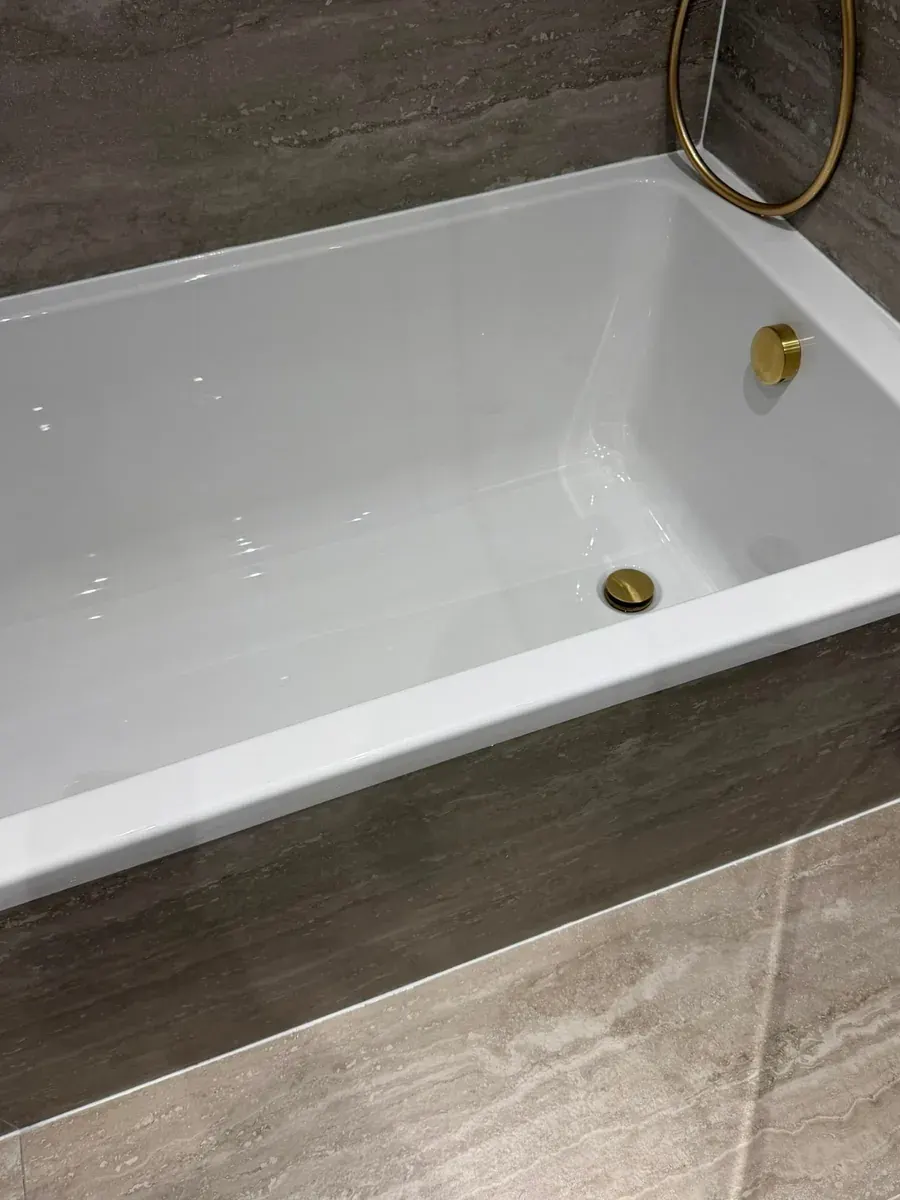
How to remove a bath safely: isolate water, disconnect taps and waste, free the seals and fixings, and plan the lifting of steel, acrylic or cast iron tubs.
To remove a bath, turn off hot and cold water, take off the panels, disconnect the taps and waste, cut the sealant, release the wall brackets and feet, then lift it out. The plumbing is usually the quick part. Weight, access and what the bath is hiding decide the job.
Check before touching anything
- Material. Tap the side. Acrylic sounds dull and flexes. Pressed steel rings. Cast iron is thick, cold and does not move when pushed.
- Asbestos. HSE's diagrams show bath panels among the places asbestos insulating board or asbestos cement can occur in homes. Leave a suspect panel intact until it has been identified.
- Electrics. A whirlpool bath, a pump or an electric towel rail nearby may have supplies under the tub. Have them isolated and disconnected by a qualified electrician.
- Route out. Measure doors, turns and stairs against the bath.
Isolate and drain
Close the valves on the bath supplies if fitted. Otherwise turn off the mains stopcock, and for a hot water cylinder or tank fed system close the relevant gate valve too. Open both taps until flow stops. Remember that lower taps elsewhere help drain the pipes.
Disconnect
- Remove the end and side panels, keeping the battens for reference.
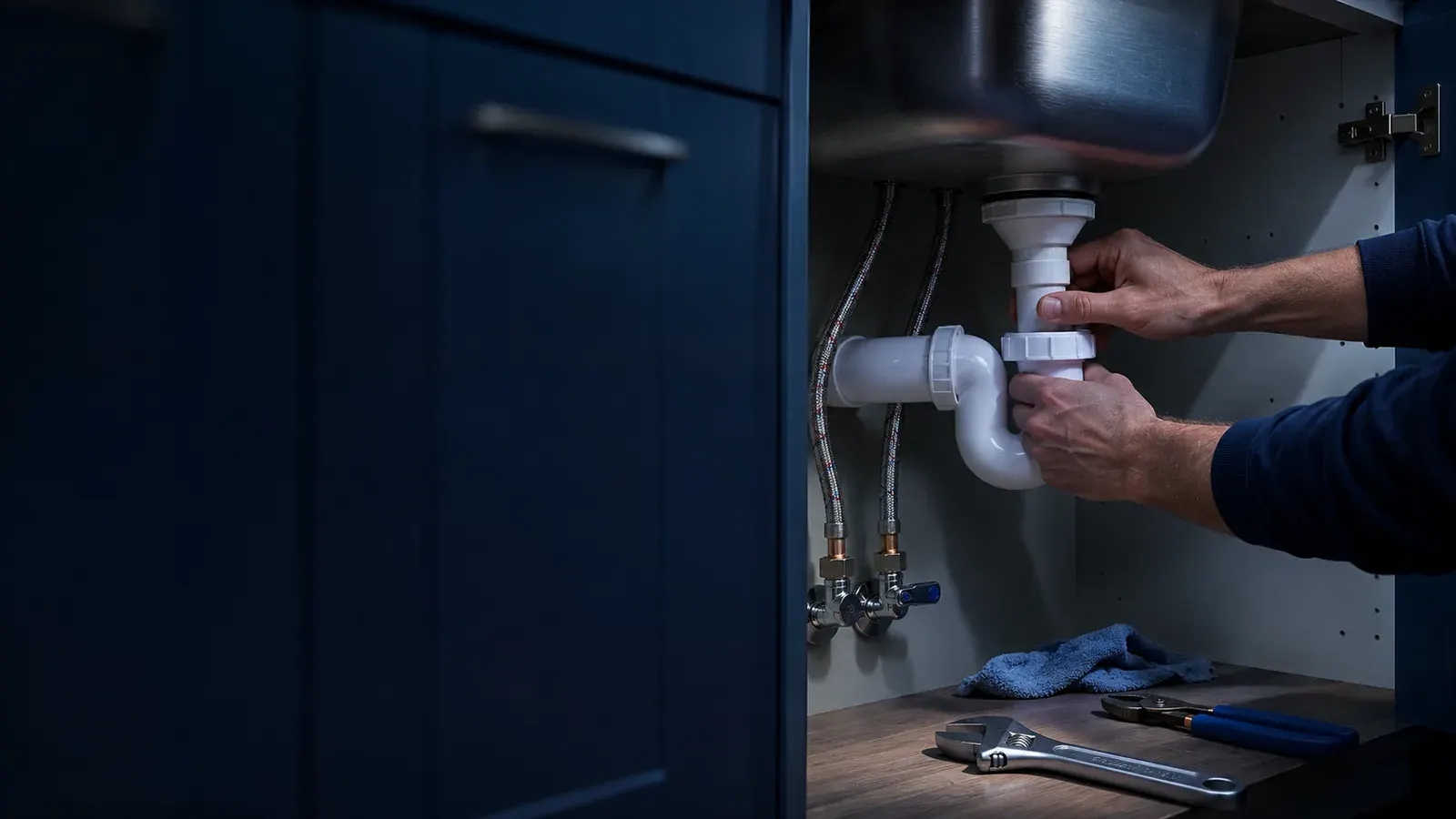
- Put a shallow tray under the trap. Unscrew the trap and overflow connection and tip the retained water into a bucket.
- Undo the tap connectors. Where nuts are seized or out of reach, cut the pipes cleanly at a point where they can be capped or reused.
- Check for an earth bonding wire on metal pipes or the bath. Do not discard it; ask an electrician whether it must be retained for the new installation.
- Cap or close every open pipe before restoring water, and plug the waste to keep debris and smells out.
Free the bath
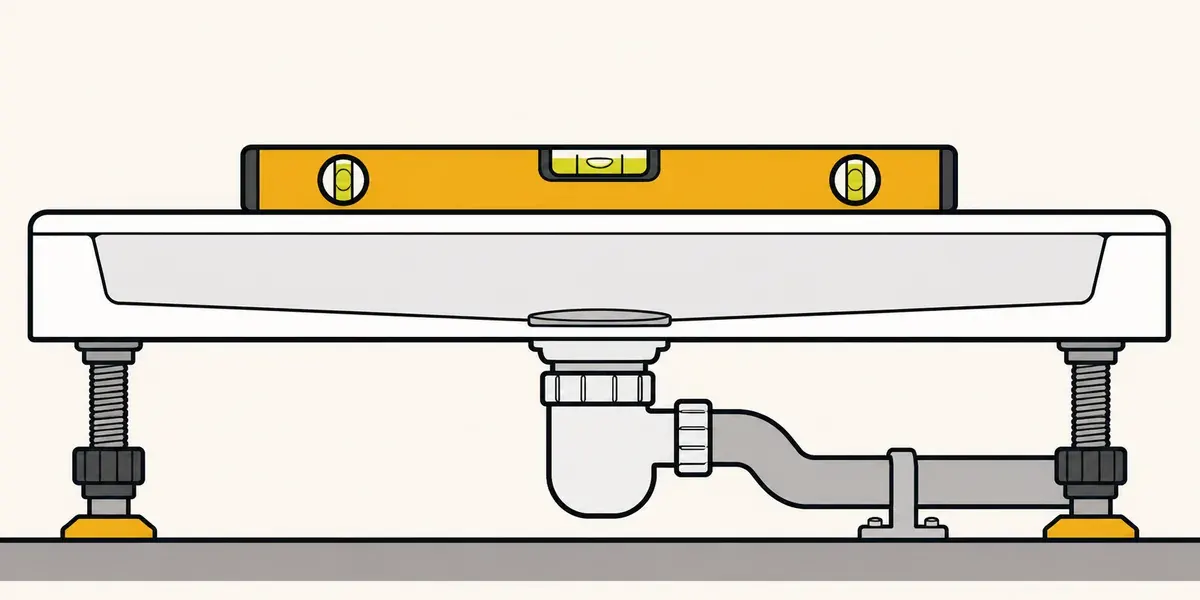
Cut the silicone along the walls. Tiles that overlap the rim may trap it, so removing the bottom row is sometimes the only way without cracking them. Unscrew wall brackets and any foot fixings, then wind the feet down a little if they turn. Slide the bath away from the longest wall first.
Lifting by material
| Bath | Handling |
|---|---|
| Acrylic | Light; two people, watch the flexing around corners |
| Steel | Moderately heavy with sharp edges; gloves, two people |
| Cast iron | Very heavy; plan a team and a route, protect floors and stairs |
HSE's manual handling guidance is aimed at workplaces, but the principle applies at home: assess the load before lifting, and do not rely on strength to solve a bad route.
Some people break cast iron up in place. That produces very sharp flying fragments and heavy noise, can damage pipes, tiles and the floor, and destroys a bath that might be reused. If you consider it, wear full eye, face, hearing and hand protection, cover the surface, and keep everyone else out. A bath with salvage value can often be collected whole.
Check what is underneath
Look for rot, leaks, mould and holes around old pipe runs. Photograph pipe positions with a tape measure in view. These details matter for whatever goes in next, whether a replacement bath or a shower in the same space.
Before the water goes back on
Confirm each capped end is secure, then open the stopcock slowly and check for drips for several minutes and again later. If you cannot isolate the water or the pipes are in poor condition, stop there. Say in the contact form whether you need the new bath fitted too, then email photos of the bath, taps, access route and anything under the panel.